

“It’s official”, my wife announced as I struggled to open my eyes the other morning, “I am having hot flashes! Perimenopause two months early!” In her mind, she had until she turned 45 before perimenopause began and was rather irritated that the symptoms were setting in before this milestone.
The truth is, while perimenopause typically begins in a woman’s 40s, it can start earlier. Perimenopause, the transitional phase leading to menopause, is marked by declining estrogen and progesterone levels that cause hormonal fluctuations, leading to symptoms such as irregular periods, hot flashes, night sweats, mood swings, sleep disturbances, and vaginal dryness. However, each woman’s experience is unique. Therefore, you must always approach each woman as a unique person.
Modern medicine offers many options for managing symptoms, as does holistic medicine. While many women will utilize hormone replacement therapy to manage symptoms, many will instead seek natural strategies to manage and support hormonal balance.
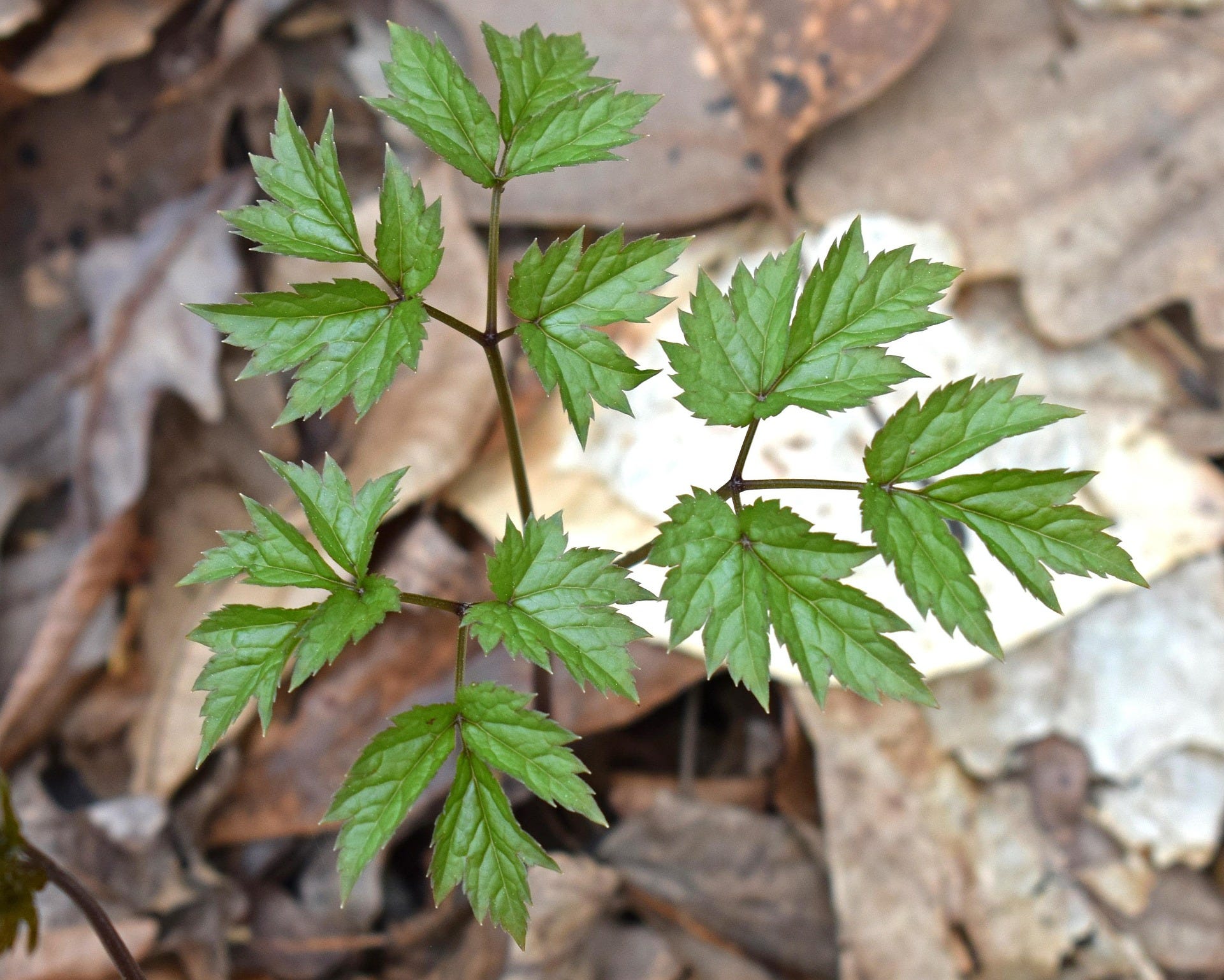
Herbs and Supplements for Hormonal Balance
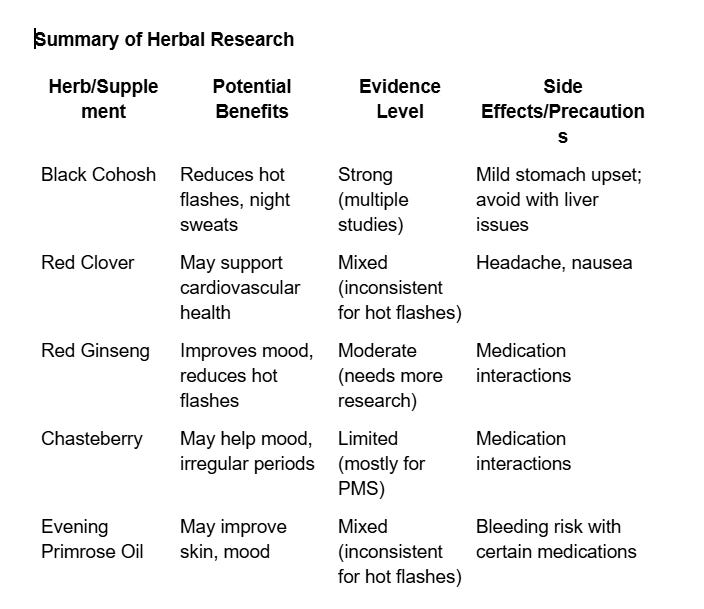
Several herbs and supplements have been studied for their potential to alleviate perimenopausal symptoms by supporting hormonal balance. Below is an overview of the most researched options, their benefits, limitations, and supporting evidence.
Black Cohosh (Cimicifuga racemosa)
Black cohosh is one of the most studied herbs for menopausal symptoms. It works by activating the serotonin pathway, thus influencing thermoregulation. As a result, it may reduce hot flashes and night sweats in perimenopausal women. A 2018 meta-analysis found it effective in reducing hot flash frequency. A 2023 study published in the Journal of the Menopause Society further confirmed the efficacy of black cohosh in improving symptoms.
Side effects, such as mild stomach upset, are rare, but those with liver conditions should avoid black cohosh due to potential risks.
Red Clover (Trifolium pratense)
Rich in isoflavones, plant constituents that mimic estrogen, red clover may benefit perimenopausal women. While it may not reduce symptoms like hot flashes, a 2022 study demonstrated that fermented red clover may reduce vascular inflammation, supporting cardiovascular health. Red clover’s effects on hormonal balance are modest, yet side effects are rare. Therefore, this gentle herb may be beneficial to women entering perimenopause.
Red Ginseng (Panax ginseng)
Red ginseng may improve mood, reduce fatigue, and alleviate hot flashes. A 2016 study found that Red Ginseng significantly reduced the severity and frequency of hot flashes. Red ginseng can interact with medications, such as calcium channel blockers, statins, and antidepressants. Other side effects may include: effects on blood pressure(lowering or raising), increased heart rate, and loss of appetite.
Chasteberry (Vitex agnus-castus)
While chasteberry is primarily used for premenstrual syndrome (PMS), it may be helpful in cases of perimenopause. Chasteberry works by regulating progesterone levels via the pituitary gland. Progesterone helps to balance estrogen, both of which begin to drop in perimenopause; it may help with mood swings, irregular periods, and tenderness of the breasts. A 2019 study demonstrated its effectiveness for anxiety and hot flashes.
Caution should be exercised in cases where cancer affecting the breasts, ovaries, or uterus is present. Chasteberry may also interact with certain medications, such as psychotropic drugs and birth control pills.
Evening Primrose Oil
Evening primrose oil is rich in gamma-linolenic acid (GLA), which may reduce inflammation and support hormone production. It has been historically used for hot flashes, vaginal dryness, and mood swings. In addition to perimenopausal symptoms, evening primrose oil may improve overall skin health and act as a trophorestorative to the nervous system. It should not be used in conjunction with blood-thinning medications.
Seed Cycling for Hormonal Balance
Seed cycling is a practice that involves consuming specific seeds during different phases of the menstrual cycle to support hormonal balance. While there may not be any scientific evidence to support the practice, many women report positive benefits. Remember, an absence of scientific evidence does not mean that a practice or an herb is not efficacious. It may simply mean that it has not been studied.
Seed cycling is a simple practice. At the onset of menstruation, known as the follicular phase (days 1–14), women should consume 1–2 tablespoons of flaxseeds and pumpkin seeds daily. These seeds are high in lignans and omega-3 fatty acids and can help promote estrogen production and detoxification.
In the luteal phase (days 15–28), 1–2 tablespoons of sesame and sunflower seeds are consumed daily. These seeds are rich in zinc and vitamin E, and support progesterone production, helping to balance the hormones.
If your cycle is irregular and does not span the typical 28 days, you may need to adjust the seed cycle slightly.
While no studies have demonstrated the benefits of seed cycling, individual seeds have shown benefits. A study found flaxseeds reduced hot flash frequency by up to 41%, and pumpkin seed oil decreased hot flashes and joint pain. Sesame seeds may increase certain sex hormones, and sunflower seeds contain phytoestrogens that support natural hormonal balance.
Dietary Recommendations for Perimenopause
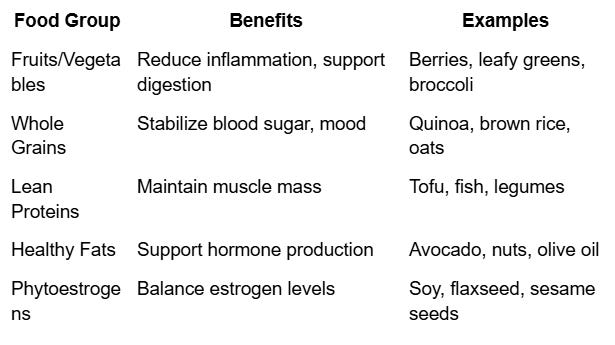
A nutrient-dense diet can help stabilize hormones and alleviate perimenopausal symptoms. Key dietary principles include:
Fruits and Vegetables: Rich in antioxidants and fiber, they reduce inflammation and support digestion, which can be disrupted by hormonal changes.
Whole Grains: Provide sustained energy, stabilize blood sugar, and regulate mood.
Lean Proteins: Maintain muscle mass, supporting metabolism during hormonal shifts.
Healthy Fats: Found in avocados, nuts, and olive oil, they aid hormone production and benefit the nervous system.
Phytoestrogens: Foods like soy, flaxseed, and legumes may gently balance estrogen levels.
Soy Isoflavones
Soy isoflavones in foods like tofu and edamame act as phytoestrogens, helping to balance out hormones. A meta-analysis of studies evaluating the effectiveness of isoflavones reported modest reductions in hot flash frequency and duration. Whole soy foods are preferred over supplements
Mediterranean Diet
The Mediterranean diet has been studied extensively and shown to improve cardiovascular and cognitive health, which become compromised as hormone production declines. A diet rich in plants and healthy fats can help reduce the severity and frequency of perimenopausal symptoms while promoting general health and well-being.
Lifestyle Changes to Support Hormonal Health
In addition to herbal remedies and dietary intervention, lifestyle factors can significantly influence hormonal balance and symptom relief.
Key strategies should include:
Exercise: A combination of aerobic, strength, and mobility exercises supports bone density, muscle mass, flexibility, and balance. Regular activity may help reduce hot flashes by stabilizing body temperature regulation.
Stress Management: High cortisol levels may exacerbate hormonal imbalances. Prayer, mindfulness, and breathing exercises can lower cortisol levels, improve sleep, and reduce anxiety.
Sleep: Hormonal fluctuations often disrupt sleep. A consistent and calming bedtime routine can help improve overall sleep quality, aiding the body in detoxification and repair.
Avoiding Caffeine and Alcohol:
Caffeine: Found in coffee, tea, and sodas, it can worsen hot flashes, anxiety, and disrupt sleep. Reduce intake, especially in the afternoon. Herbal teas or decaffeinated options are good alternatives.
Alcohol: Can exacerbate mood swings, disrupt sleep, and contribute to dehydration, potentially increasing hot flash frequency and severity.
Environmental Toxins
Environmental toxins, particularly xenoestrogens, synthetic compounds that mimic estrogen, may disrupt hormonal balance. Found in plastics, pesticides, and personal care products, they can exacerbate perimenopausal symptoms. Several studies have found that these pervasive chemicals are detrimental to the health of both women and men, especially later in life and during early development. Reducing exposure to xenoestrogens may help mitigate hormonal disruptions.
Strategies to reduce exposure include:
Avoid Plastics: Use glass or stainless steel containers for food storage.
Natural Products: Choose cleaning and personal care items free of parabens, phthalates, and synthetic fragrances.
Organic Choices: Opt for organic produce to limit pesticide exposure.
Focus on local whole foods: Find a local farm that utilizes organic and regenerative growing practices – purchase your food directly from the farm.
Perimenopause presents unique challenges due to natural hormonal fluctuations. These hormonal imbalances can be exacerbated by environmental factors such as stress and exposure to toxins. A holistic approach can offer relief, especially when utilized early with the onset of symptoms. Herbs such as black cohosh, red ginseng, and chasteberry, in combination with seed cycling and a whole-food diet, can provide natural support for hormonal balance. Minimizing exposure to environmental toxins like xenoestrogens can help mitigate abnormal disruptions to hormonal health. While each woman is unique, relief is possible.
All things were made through Him, and without Him nothing was made that was made.
God has caused plants to grow “for the service of man” (Psalm 104), and Christian Herbology exists to help Christians use that gift to gently care for the health of their own households. I offer a distinctly Christian framework so you can learn to support your family’s well-being in a way that honors Christ and reflects historic Christian mercy and hospitality.
Use herbs as simple tools of Christian love and care within your home.
See family illness in light of a fallen world, not as a punishment.
Remember that nurturing the soul is even more important than easing physical symptoms.
Receive God’s creation as a gift to steward, not something to spiritually venerate.
Approach home herbal care as a quiet service to your loved ones, not a way to seek recognition.
Inspired by the Holy Unmercenary Healers—saints who freely treated the sick out of love for Christ—I founded the School of Christian Herbalism to restore the Christian tradition of caring for the sick with the gifts God placed in nature, and created this Substack as a way to share that knowledge with a wider audience.
Legal Disclaimer and Disclosure:
The information offered in these lectures and on the School of Christian Herbalism websites, handouts, and podcasts is for educational purposes only. Neither the School of Christian Herbalism nor Vas Avramidis nor any of its affiliates makes any medical claim, nor intends to diagnose or treat medical conditions. Women who are pregnant or nursing, and persons with known medical conditions, should consult their licensed health care provider before taking any herbal product. Links to external sites are for informational purposes only. Neither the School of Christian Herbalism, nor Vas Avramidis, endorses nor is in any way responsible for their content. Listeners and readers must do their own research concerning the safety and usage of any herbs or supplements.